It protects the schedule
A short, precisely timed visit that works before a coach departure, a boat sailing, a restaurant booking or free time in the old town.
For tour operators and tour guides
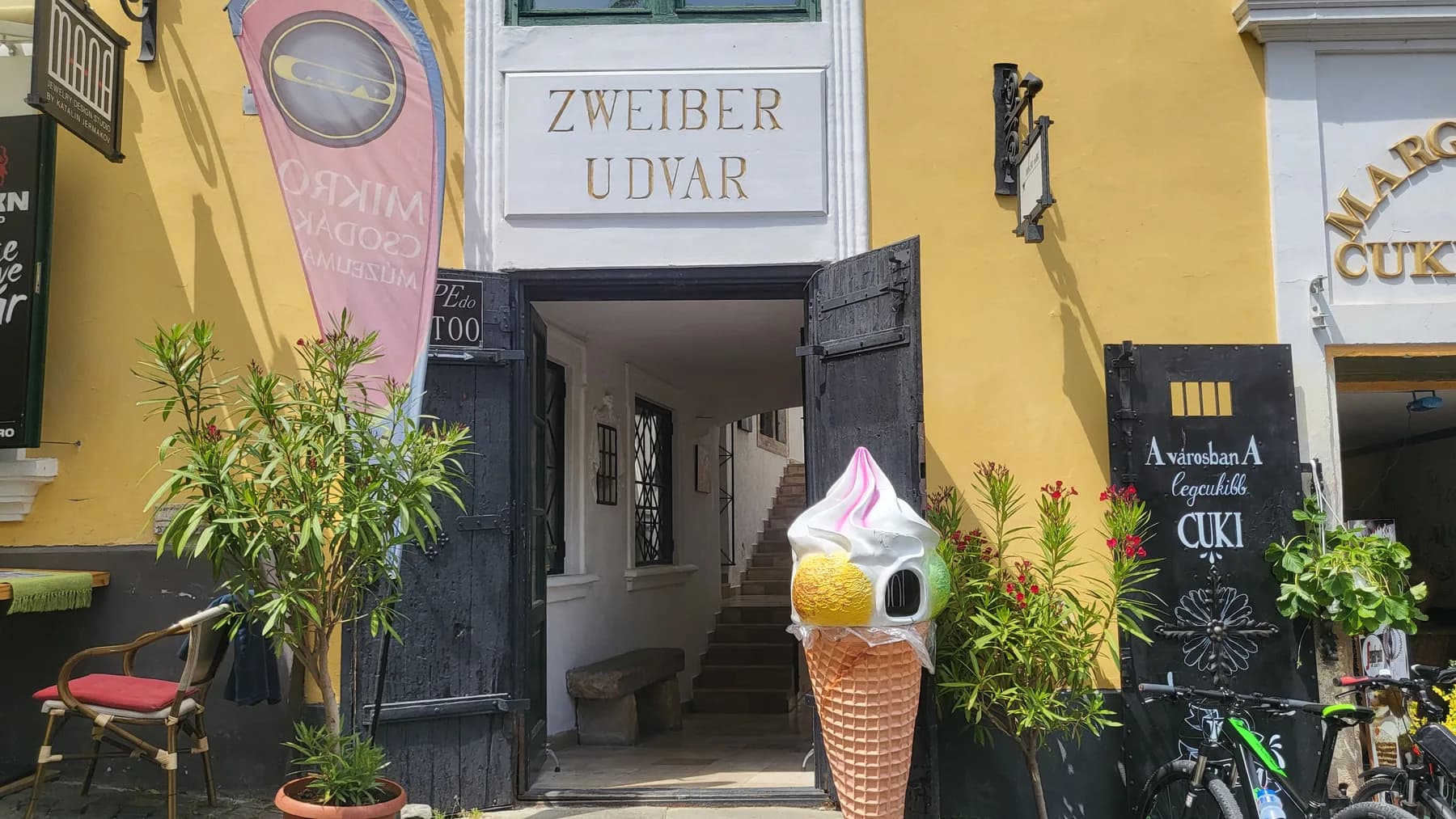
Central Europe’s only permanent micro-miniature collection, in the heart of Szentendre. A short, weather-proof visit supported in ten languages – one your guests will still be talking about days later.
Szentendre, Görög utca 4 · 1 minute from the Main Square
In one sentence
The Museum of Microwonders is a rare, high-quality city experience: original artworks seen under microscopes, guide-friendly stories, multilingual support and predictable group handling, all in one place.
The works are measured against a needle’s eye, a hair, a poppy seed or a grain of rice – yet every piece is figurative, recognisable and tells a story.
Guests do not see reproductions or a digital trick: they view real, handmade micro-miniatures.
Guide lines, a precise time frame, ten languages and a dedicated partner portal – everything is ready for the visit to slot into your route.
For tour operators
A short, precisely timed visit that works before a coach departure, a boat sailing, a restaurant booking or free time in the old town.
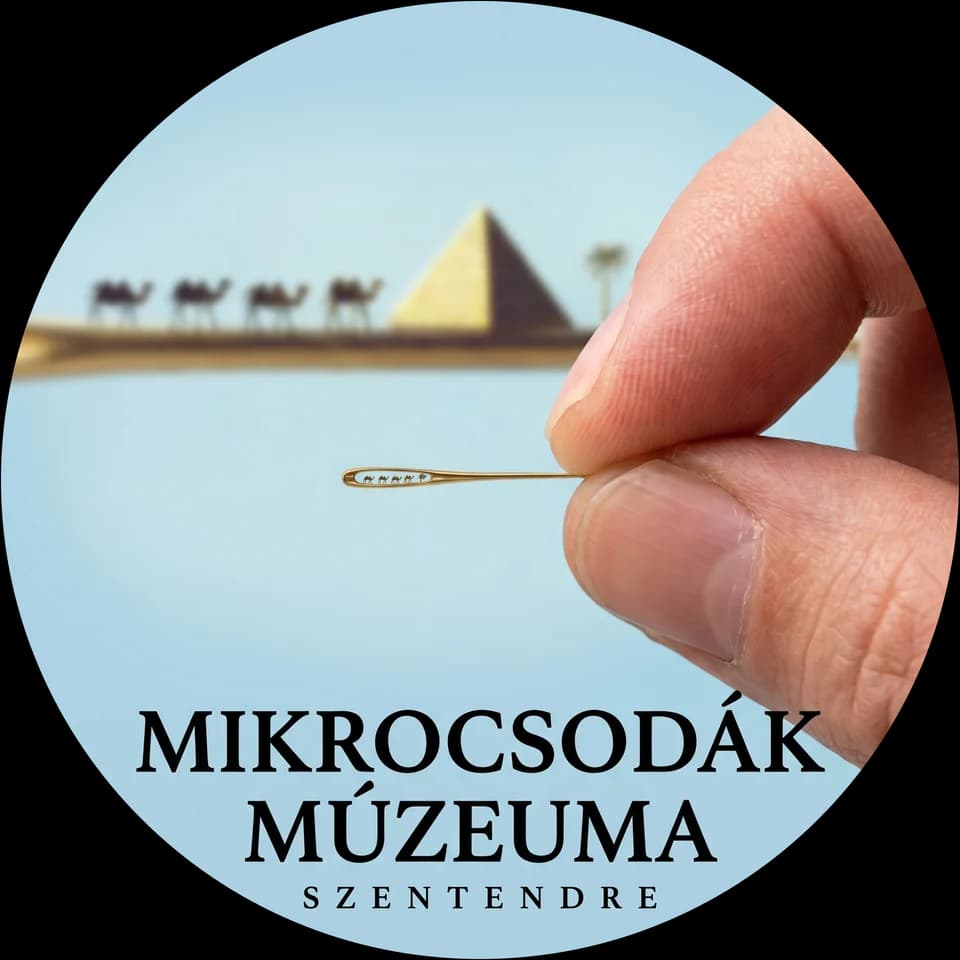
Guests discover a scale that seems impossible: a caravan in a needle’s eye, a chess set on a pinhead, a flea shod with golden horseshoes.
The displays and multilingual content help even when the group is mixed in language or age.
A permanent collection of this kind can be seen in only a few places worldwide. In Szentendre it is part of the old-town walk.
Guests look into the microscope themselves, search, recognise and marvel – that is what makes it personal.
The caravan in a needle’s eye or the golden padlock on a hair is a story they will tell at home.
A short time frame, an indoor venue, advance coordination and all group details in one place.
The exhibition
The strongest selling point: every work comes with a short story that guests can retell straight away.
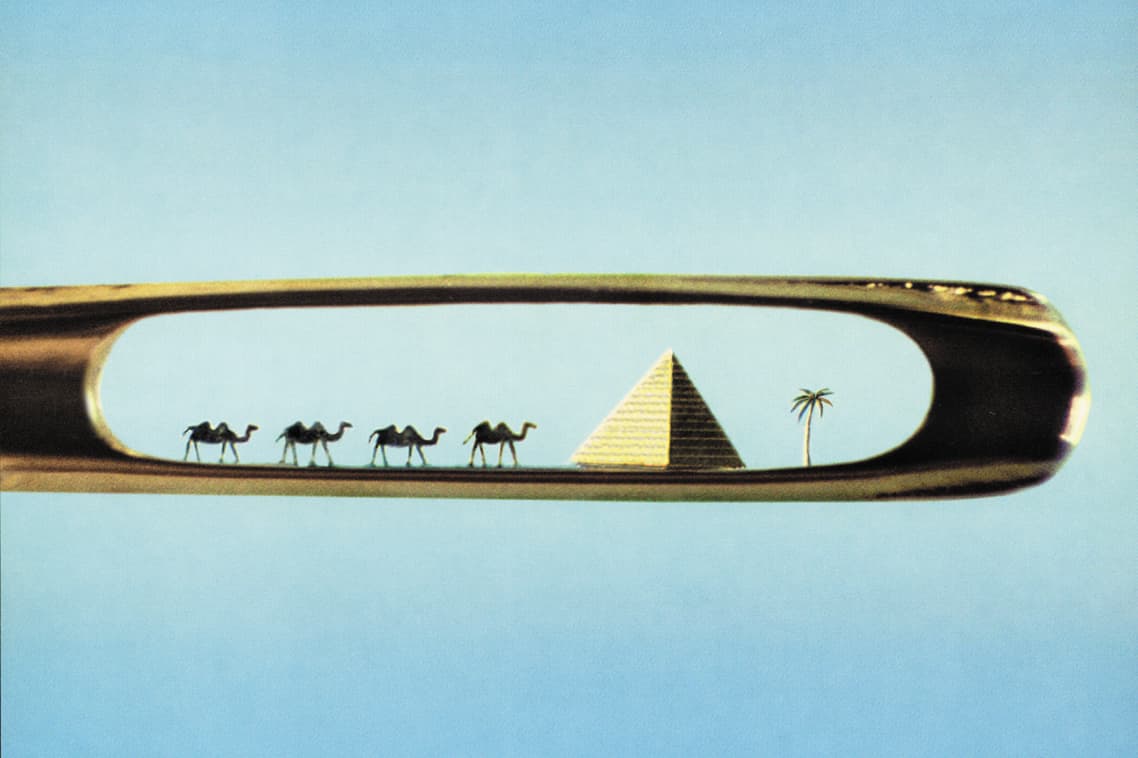
A camel caravan with a palm tree and a golden pyramid in the eye of an ordinary sewing needle – a strong opening that makes the scale clear.
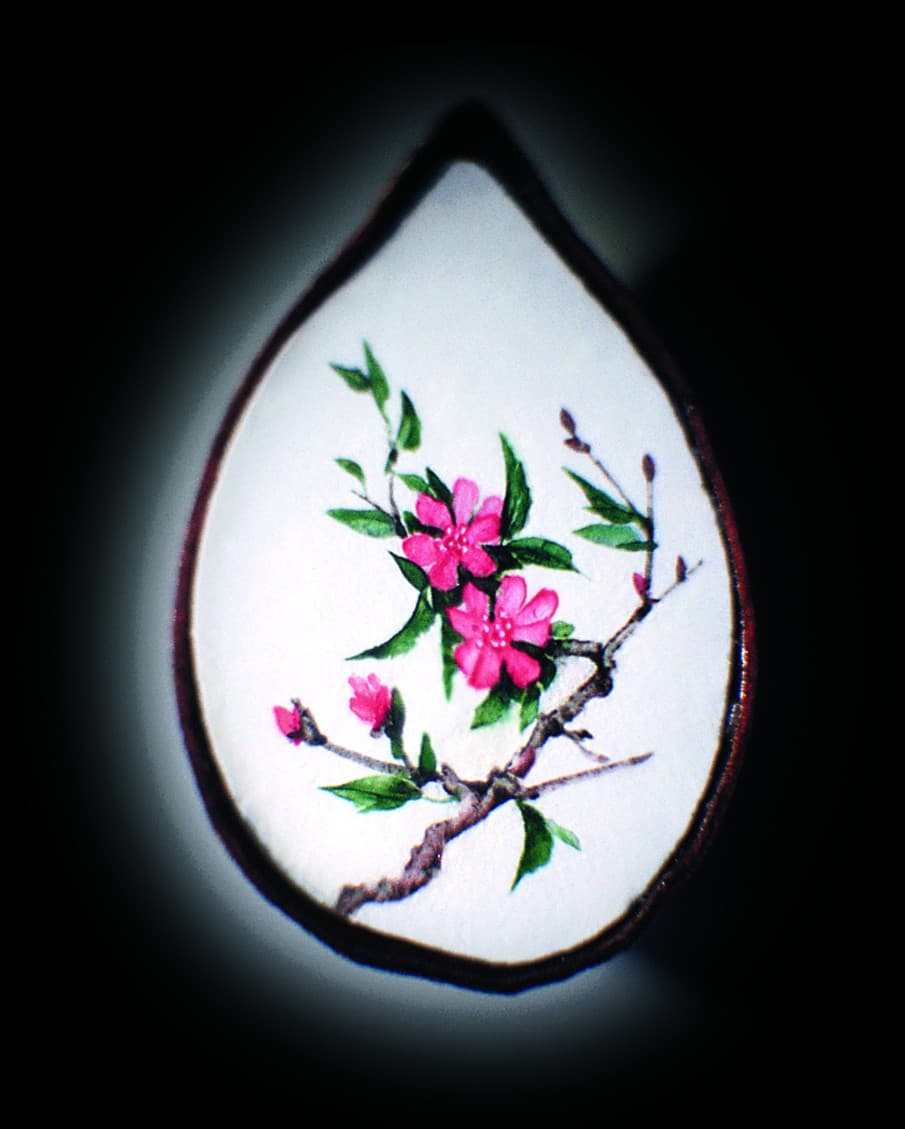
A flowering branch painted in watercolour on paper stretched inside half an apple seed.
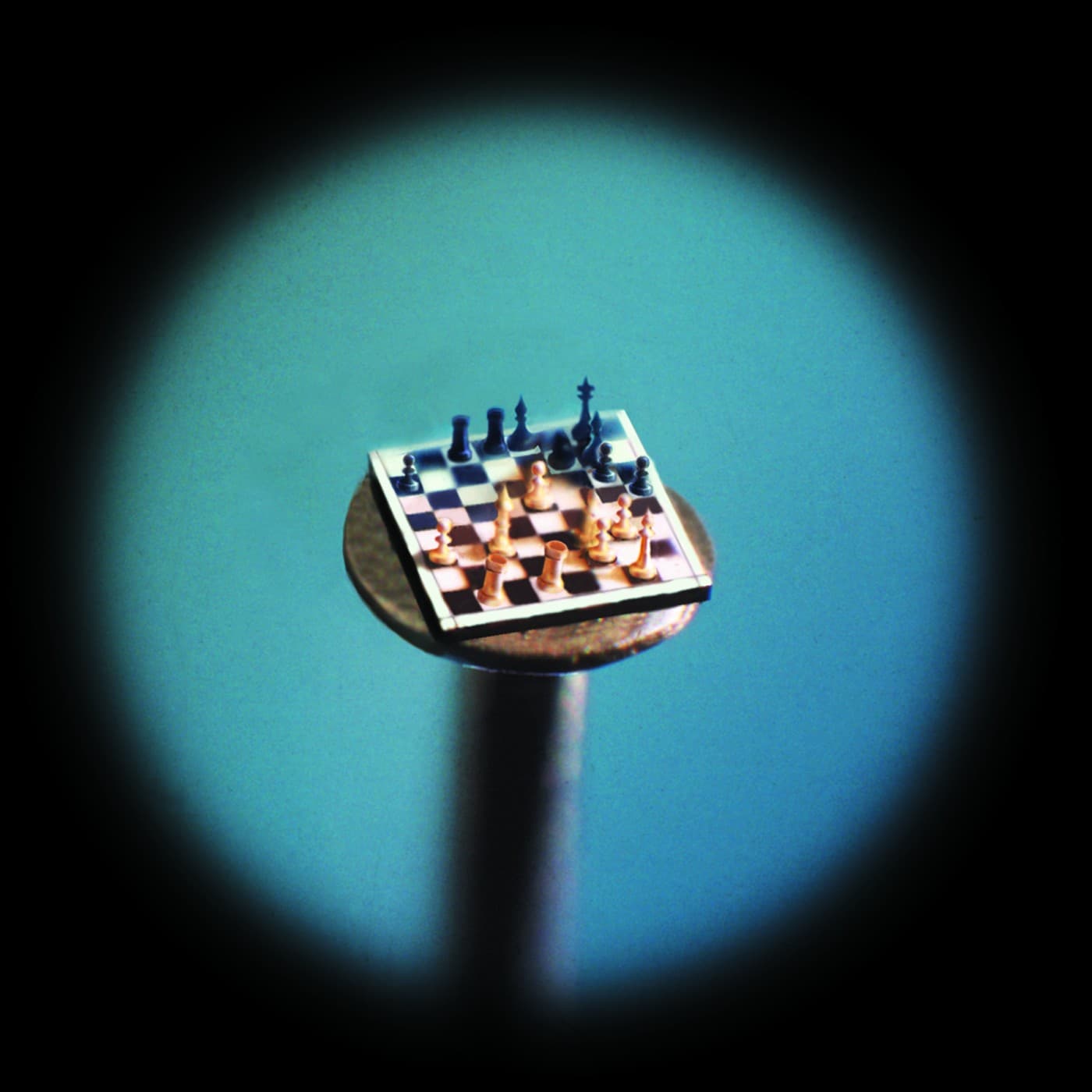
One of the world’s tiniest chess sets, on the head of a pin; the golden pieces show the position of a famous game.
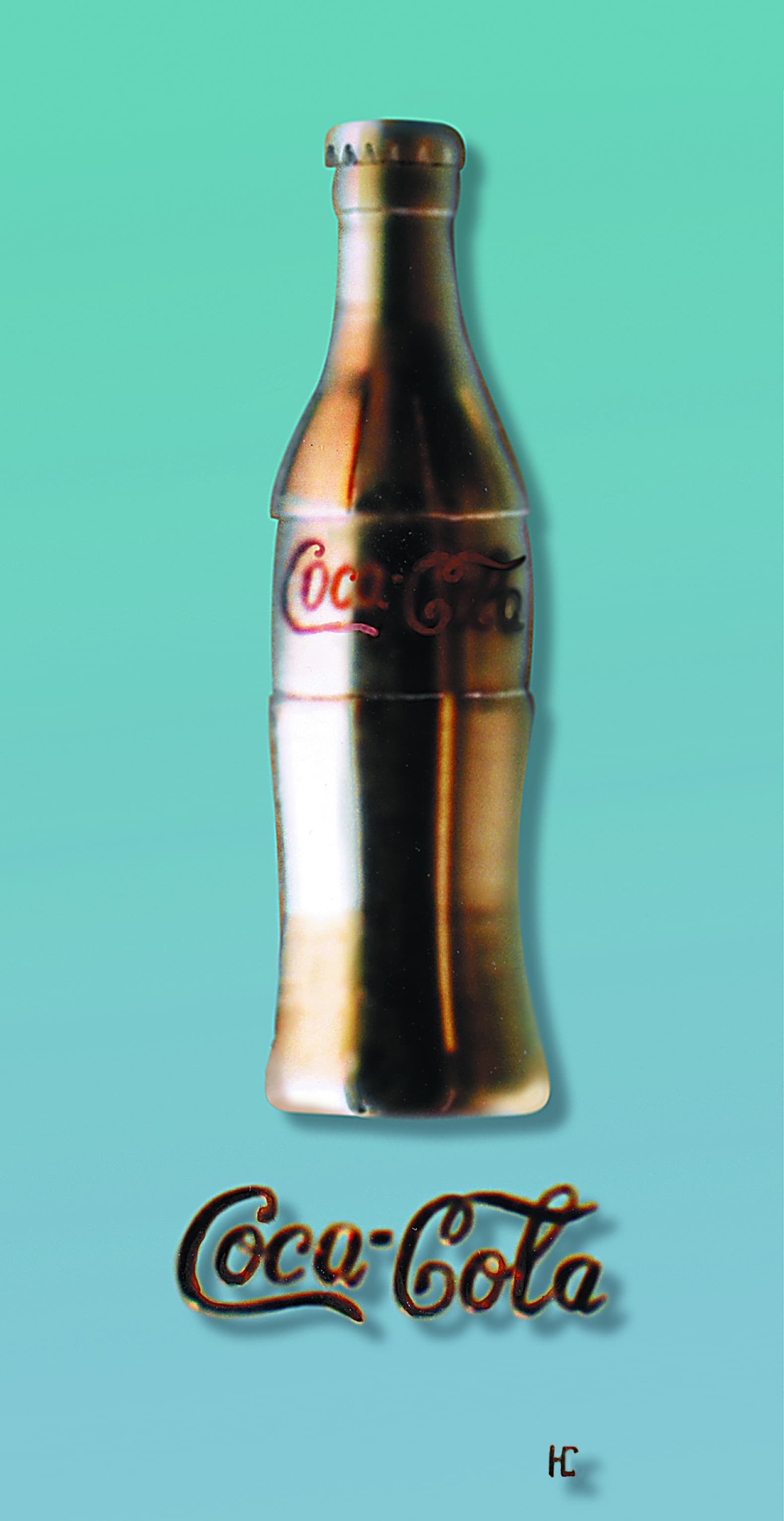
A golden bottle 1.65 mm tall with a 0.7 mm logo – a familiar shape that makes the scale tangible.
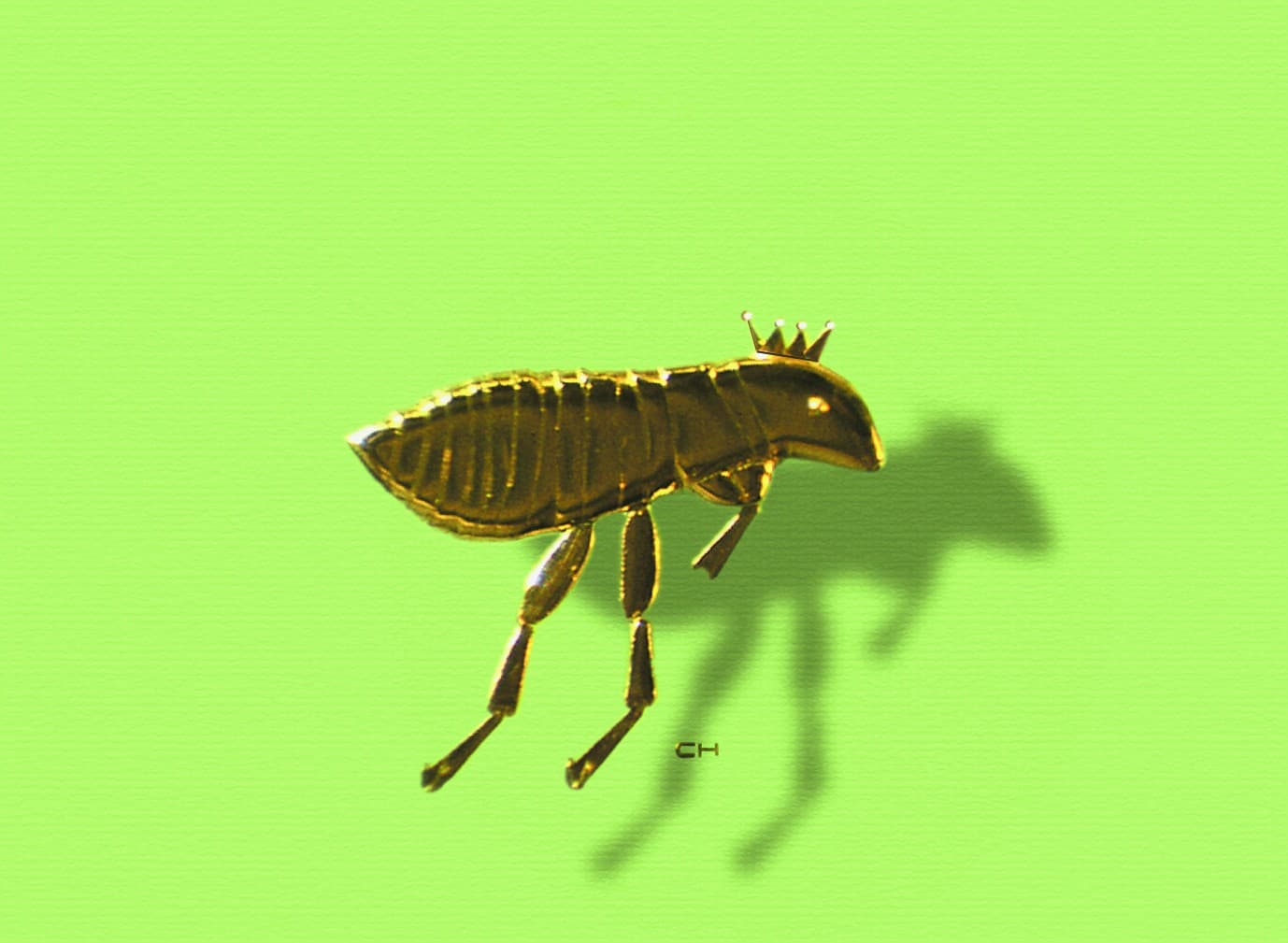
A life-size golden flea with tiny golden horseshoes fixed to its legs.
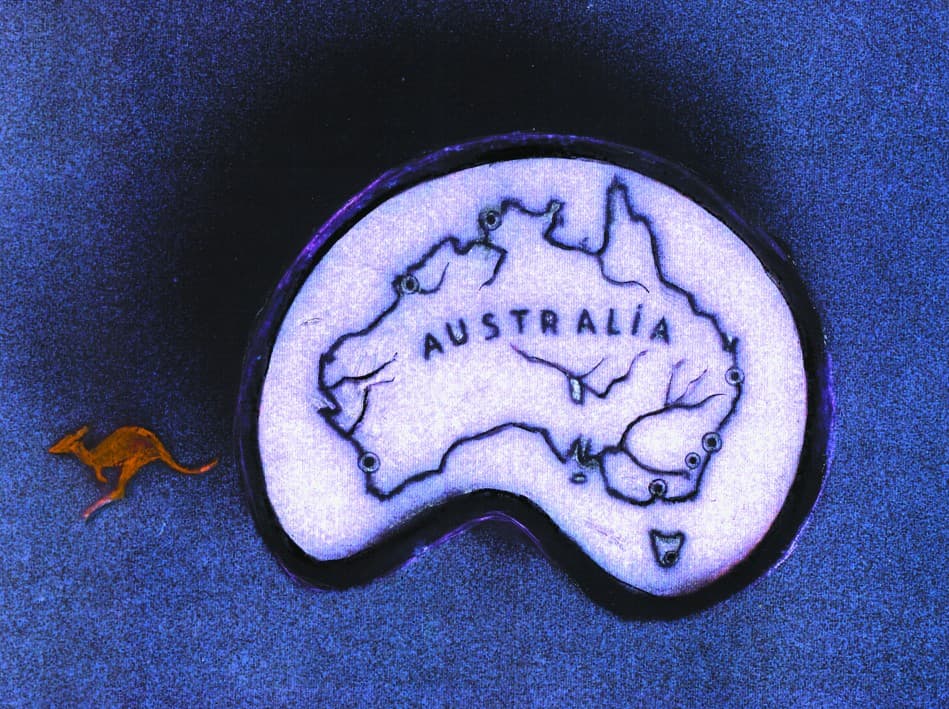
A map engraved on glass inside half a poppy seed, with a golden kangaroo.
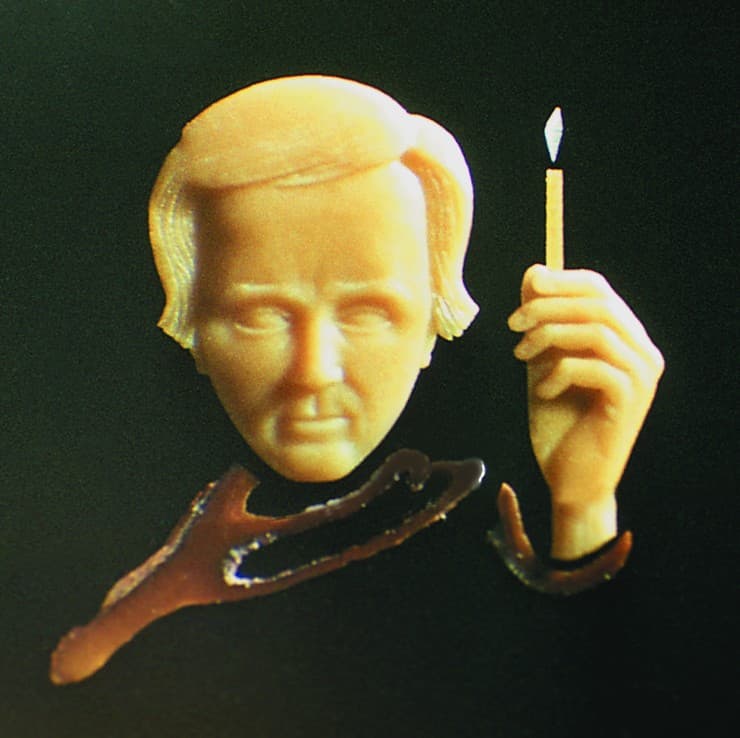
A portrait of Taras Shevchenko carved from the hard shell of a sloe stone, on a 3 × 3 mm surface.
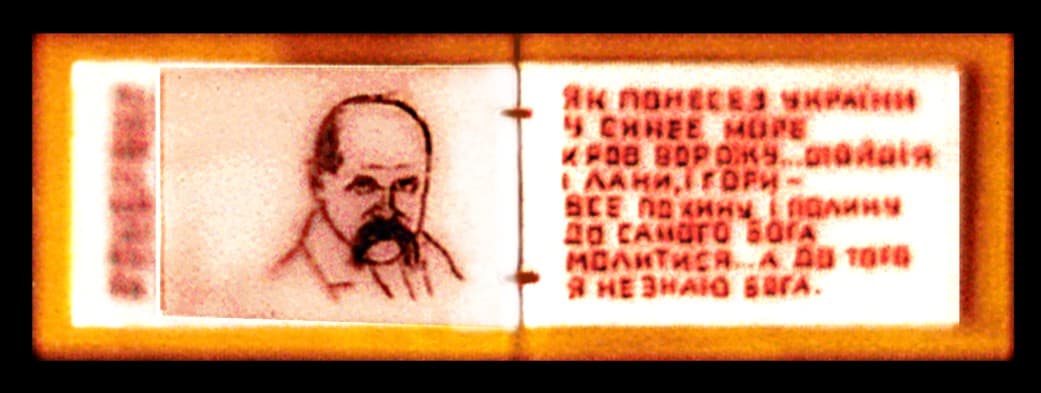
One of the smallest books in the world: 12 pages of Shevchenko’s poems and his portrait, bound with spider silk.
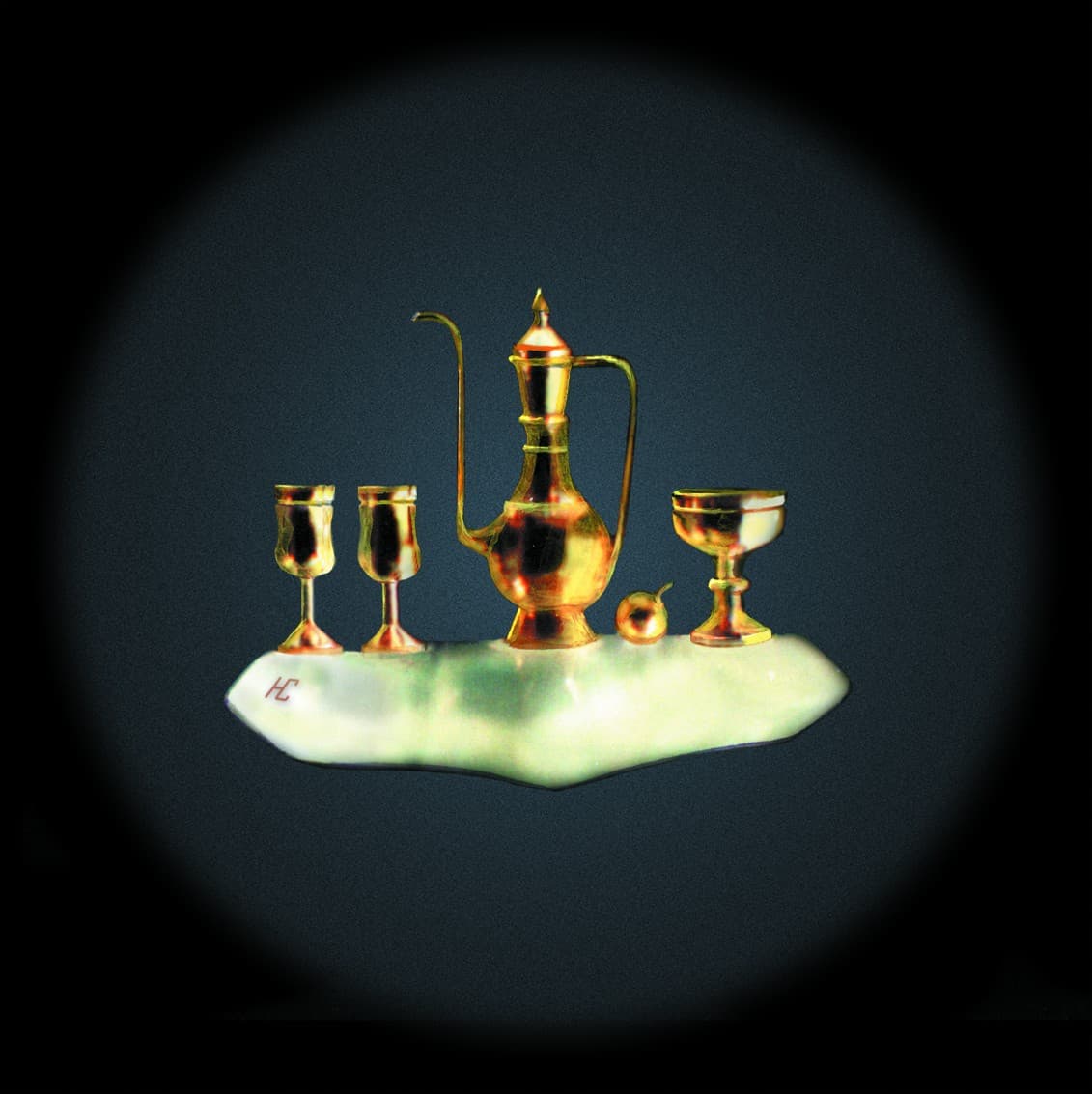
A golden composition on a single crystal of sugar.
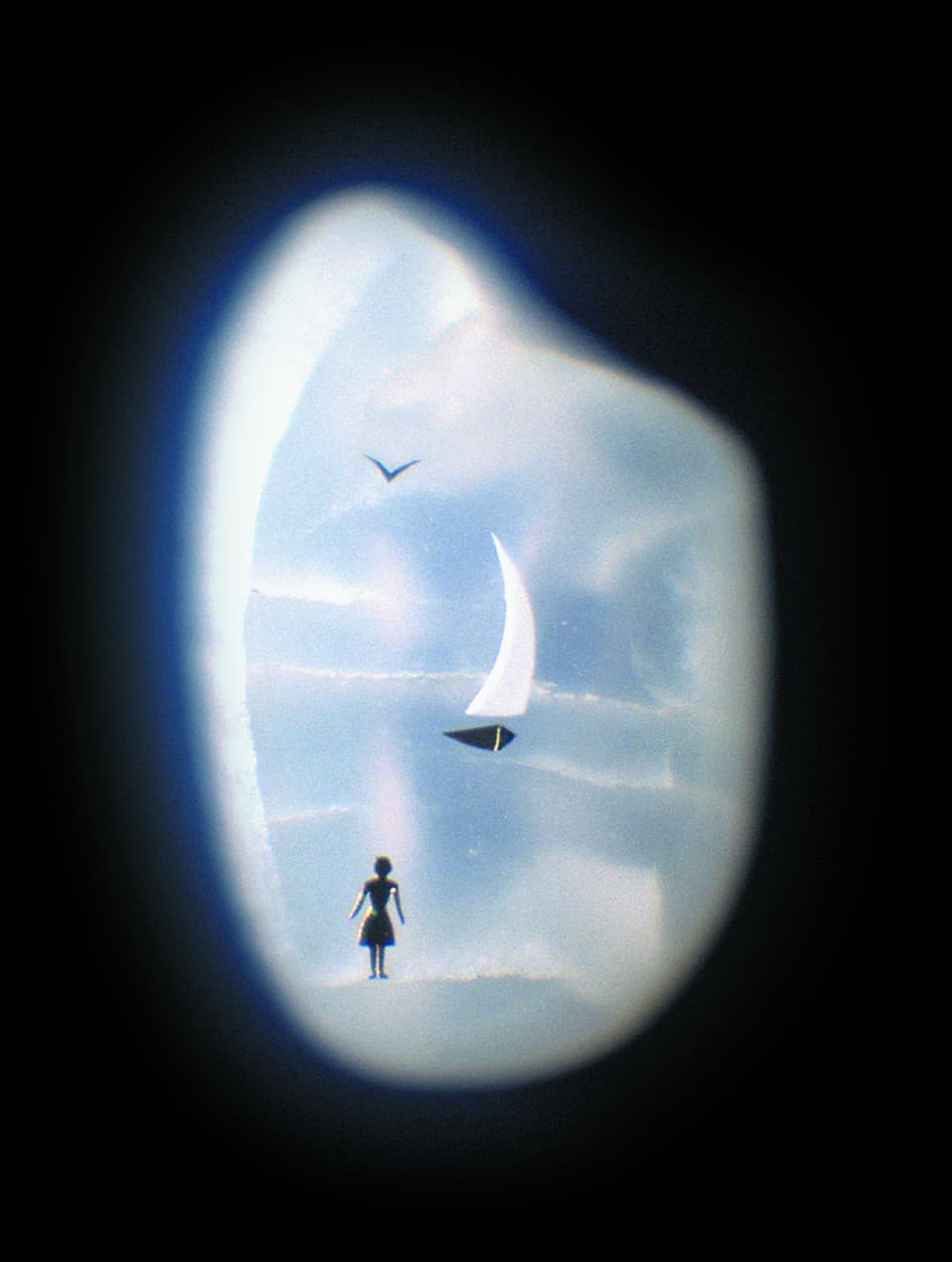
A golden ship and a human figure inside a real grain of rice.
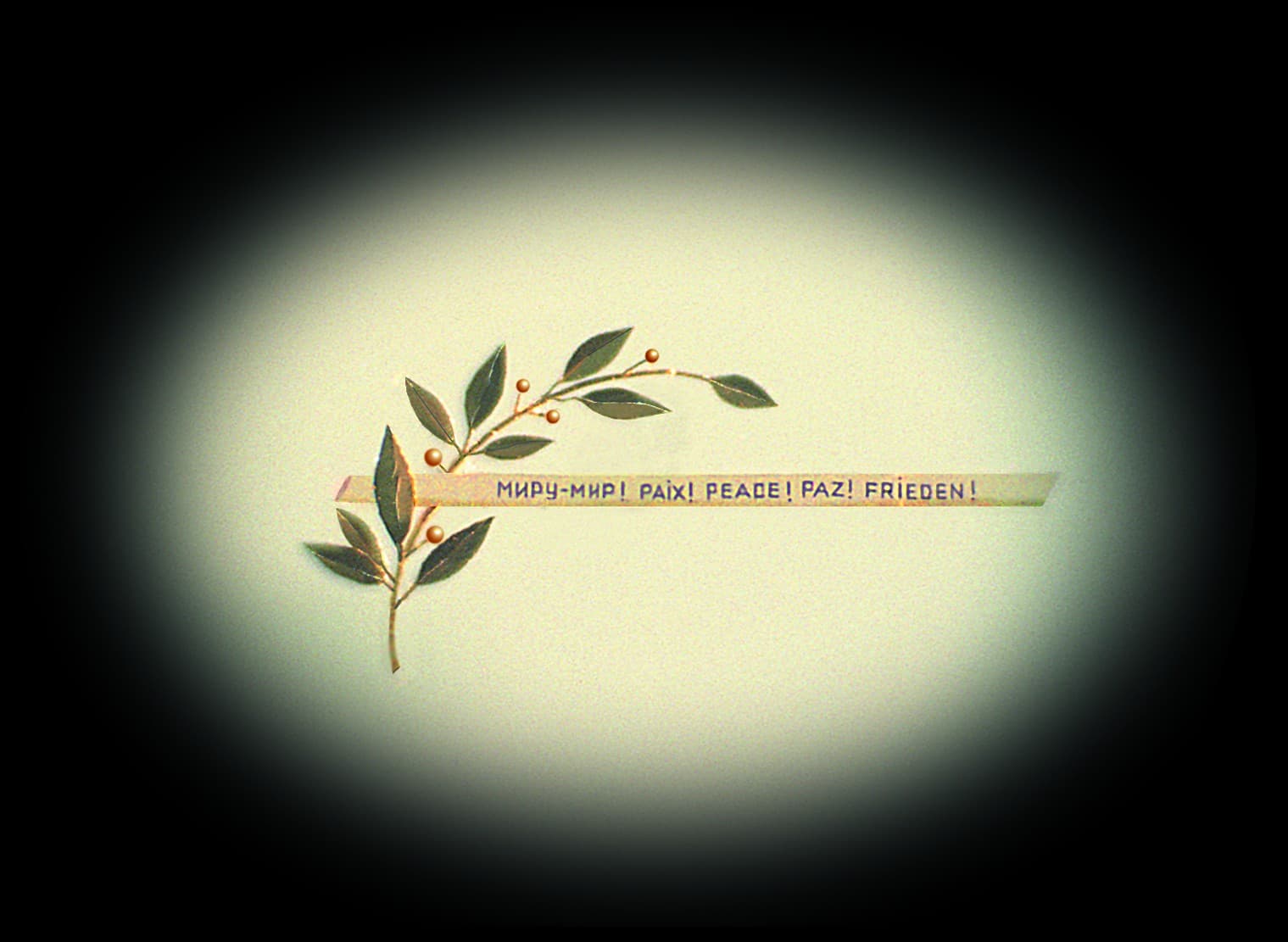
The word “peace” in five languages engraved on a 3 mm hair, with a golden laurel branch above it.
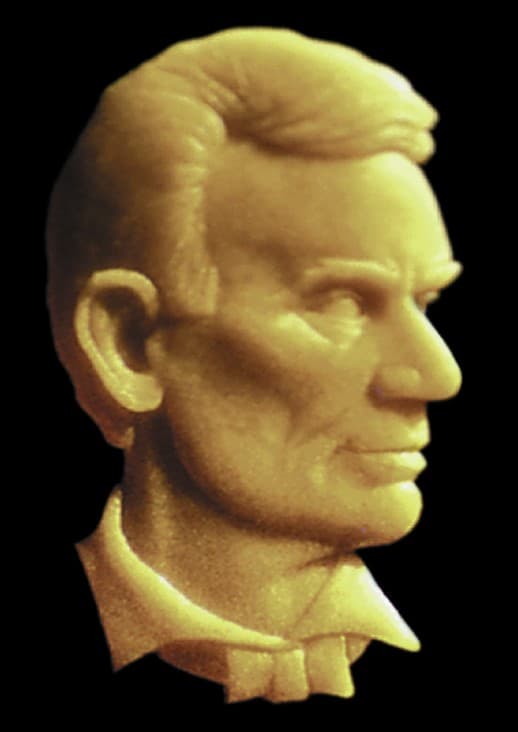
Lincoln’s portrait carved from the shell of a sloe stone; a 3 × 3 mm relief.
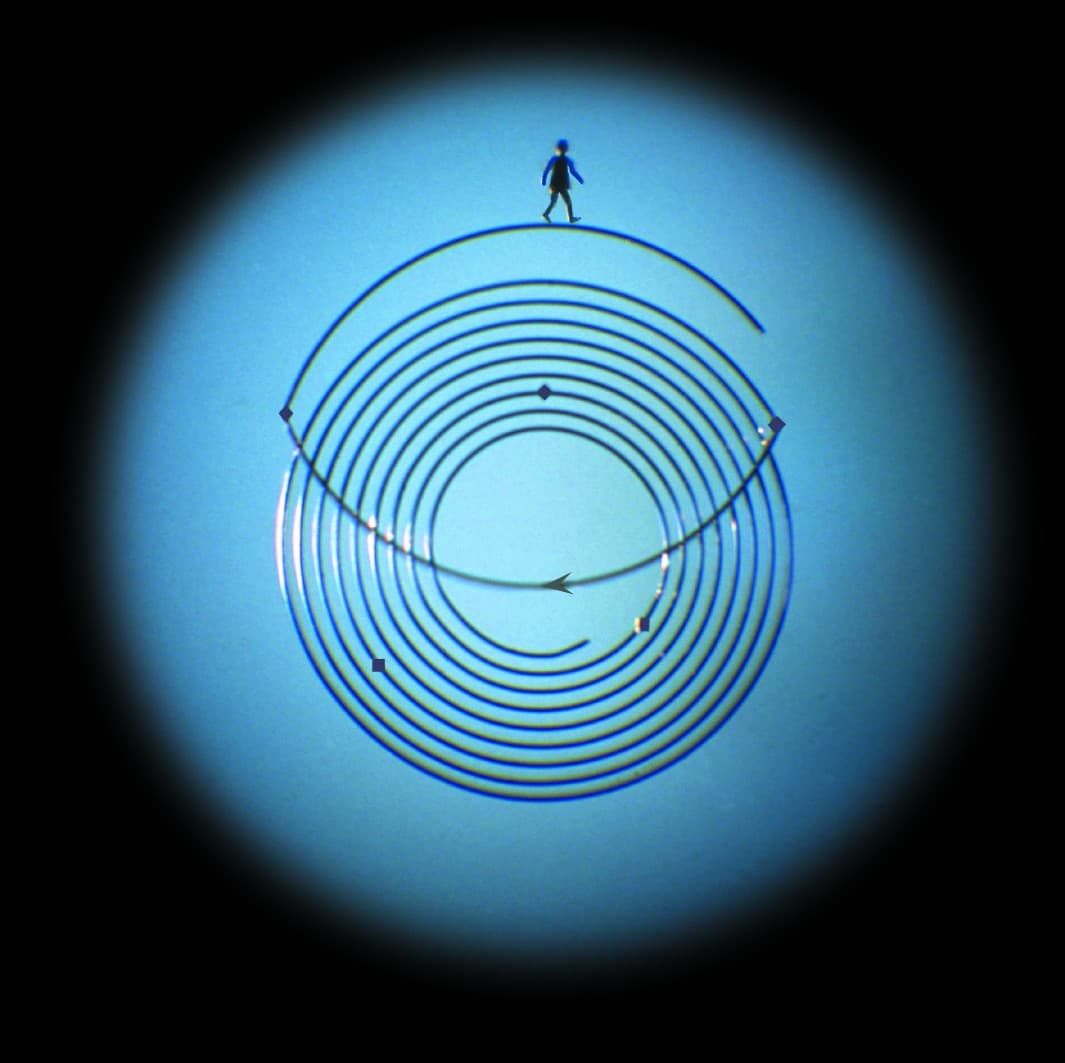
A golden human figure on the hairspring of a watch, the spiral of time; the figure is only a few microns wide.
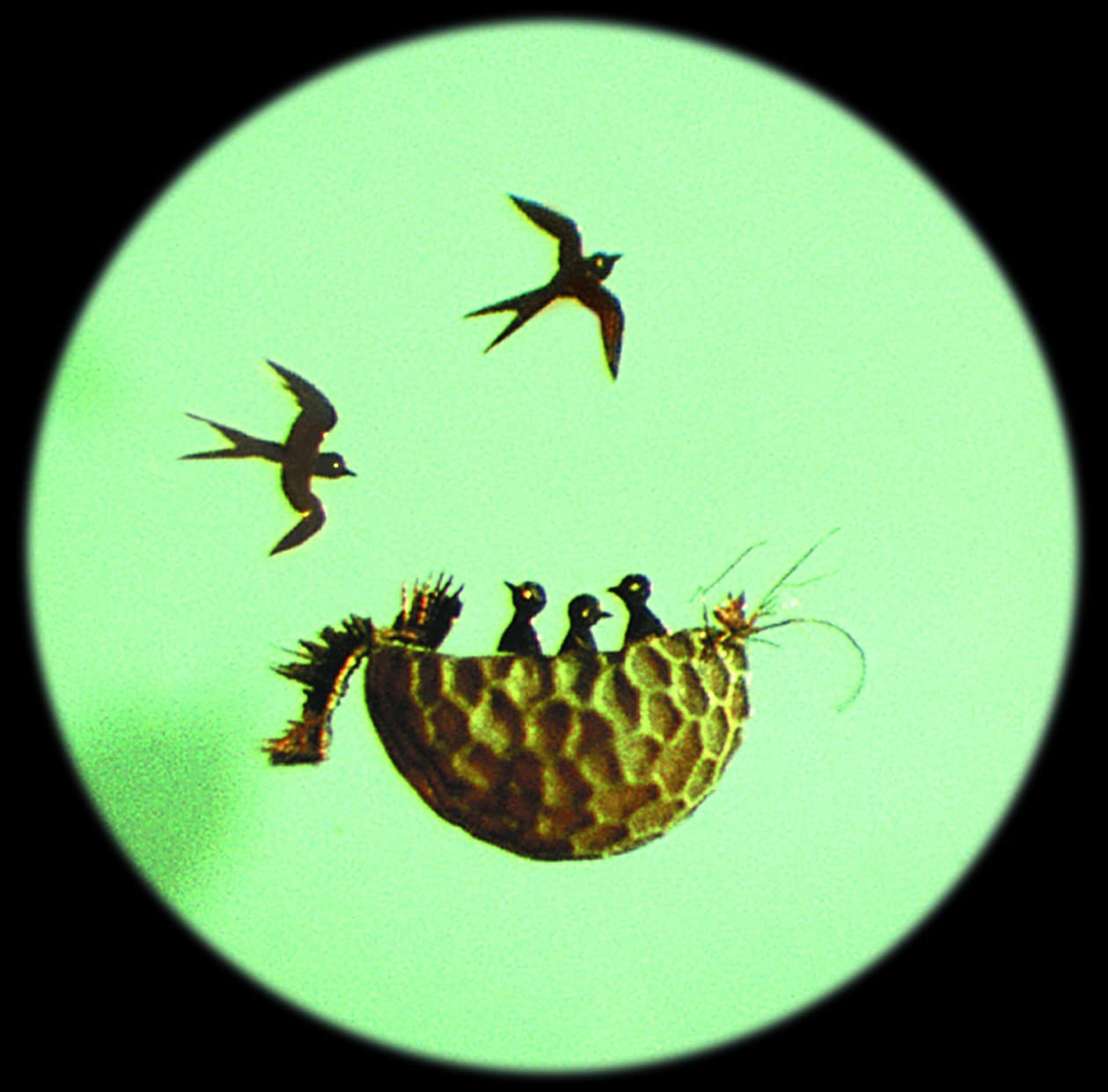
A golden family of swallows with a nest and birds in flight, inside half a poppy seed.
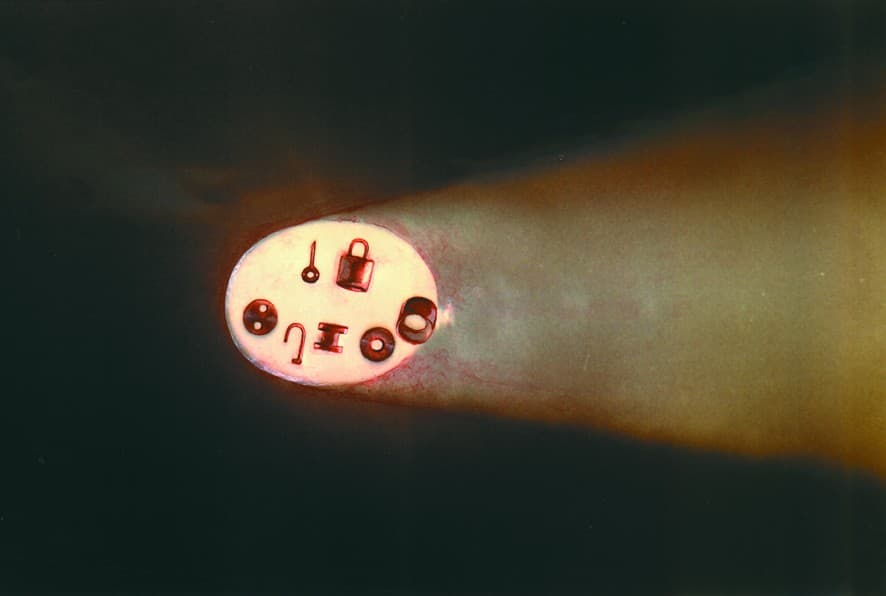
A golden padlock with its key and tiny parts on the cross-section of a human hair.
The whole exhibition can be guided briefly, yet adapted to any audience: history of technology, art, record-breaking scale, Ukrainian cultural background, family wonder or a premium incentive experience.
The value of the collection is not size alone: even on these tiny surfaces the figures, gestures, proportions and cultural references remain recognisable.
The museum and the artist
Mykola Syadristy’s works are artistic, technical and human achievements at once. The visit is built on this: guests understand the scale, see the original object and take away a short story they can retell.
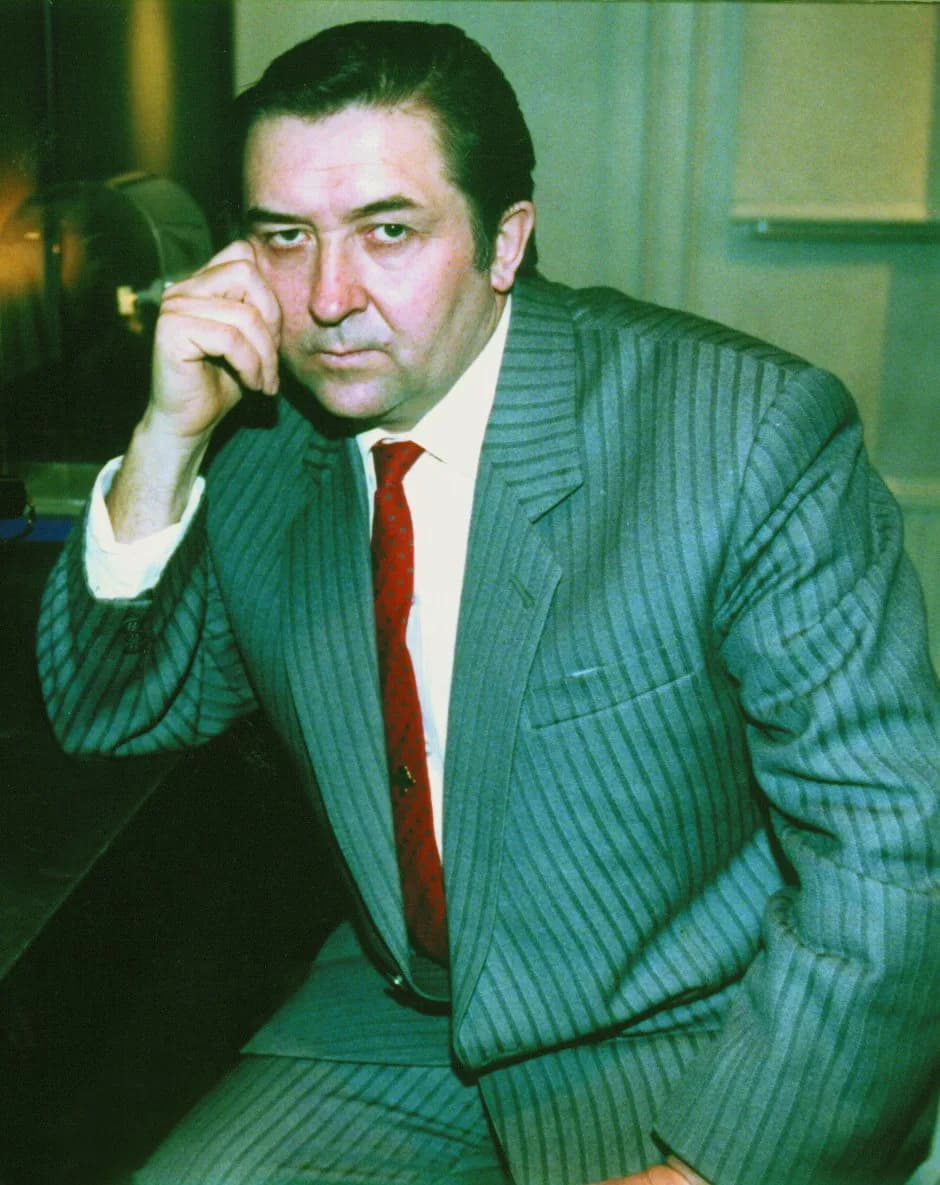
Syadristy is an artist, a maker of engineering precision, a sportsman and a poet. At this scale even breathing and the pulse disturb the hand, so the decisive movements are made in the pause between two heartbeats. Many works required a custom micro-drill, blade or holder – sometimes making the tool was harder than making the work itself.
Syadristy’s works were shown in Budapest, long before the permanent exhibition in Szentendre.
The collection came to Szentendre for the first time.
The Museum of Microwonders found its permanent home in Görög utca.
There are only a few permanent Syadristy exhibitions in the world: Kyiv, Andorra and Szentendre.
Who is it for?
A short old-town highlight on the Esztergom–Visegrád–Szentendre route.
An indoor stop that keeps to time before a sailing or a free-time block.
A distinctive talking point for international, mixed-language guests.
Art, technology and Eastern European cultural background in one short stop.
A striking, focused experience that shows patience, technique and art together.
A weather-proof option when outdoor programmes are uncertain.
Alongside a Szentendre walk, for smaller groups or tight schedules.
With guide framing and selected stories, tailored to the group profile.
With multilingual content support for guests of mixed nationalities.
For tour operators and guides, so they can recommend it from first-hand experience.
For tour guides
What is worth telling the group – even when time is short.
In one sentence
Central Europe’s only permanent micro-miniature collection, where original works are viewed through microscopes.
Opening line
“I was there, I saw it – and I still don’t believe it!” It tells the group at once that this is no ordinary museum visit.
Time frame
A strong experience in 20–40 minutes; it fits in rain, in winter and in the middle of summer sightseeing.
Guide’s trick
Hold up a real sewing needle or pin before guests look into the microscope: the scale becomes clear instantly.
The museum works best as the surprise of the day.
A brief introduction: the scale and how to look through the microscopes.
From station to station, independently or at a guided pace.
Art, technique, record-breaking scale and cultural background.
A quick close – the coach, the boat or the restaurant booking stays on time.
Multilingual support
Multilingual support is one of the strongest reasons to offer the visit: the exhibition content is available in ten languages, so a mixed-nationality group moves through together.
Guests do not just look into the microscope: they immediately learn what they are seeing, what it is made of, how small it is and why it is special.
Partner portal
Returning partners get their own workspace: groups, confirmations, upcoming arrivals and partner details in one place.

Upcoming arrivals and approval status at a glance; a new group can be announced in a few clicks.

Turnover, partner rate, contact person, communication language and programme profile are all easy to look up.
Quick answers
With a walk in Szentendre’s old town, a Danube Bend tour, a return by boat, a free-time block, on rainy days or in a winter programme.
Usually 20–30 minutes; guided, with highlight stories, closer to 30–40 minutes.
Guests do not look at display cases: under the microscope they discover original handmade objects that are barely visible to the naked eye.
Exhibition support is available in ten languages, so a mixed-nationality group moves together and the guide does not have to translate everything.
We welcome small groups and larger coach groups alike; please agree the group size and arrival time with us in advance.
Because of old-town traffic rules we recommend coordinating in advance; the walk to the museum is short and easy.
Partners see their bookings, arrivals and confirmations in one place – no more e-mails that cannot be found again.
Yes. We run familiarisation visits for tour operators and guides by prior arrangement.
Planning
Next step
We are happy to show tour operators and guides the venue, the flow of a guided visit, the multilingual content and how the partner portal works.